
Sheep Feeding Equipment Sourcing Guide
TL;DR
- A sheep feeding trough works best when layout matches flock size, feeding behavior, and available space.
- Good access, correct height, and simple cleaning are the fastest ways to reduce feed waste.
- B2B buyers should check size, material, packaging, and supplier support before ordering.
- Better trough layout improves feed efficiency and customer satisfaction at the same time.
A sheep feeding trough may look simple, but a poor setup can create crowding, uneven access, contamination, and repeated labor problems. A good setup does the opposite: it supports smooth flock movement, lowers waste, and helps workers refill and inspect the trough without extra effort. That is why layout matters just as much as the product itself.
SOUNDAI supplies feeding-related livestock products through https://www.sound-ai.com/feeding/. Buyers can also review the broader company site at https://www.sound-ai.com/ when sourcing farm equipment in bulk.
Why Sheep Feeding Trough Layout Matters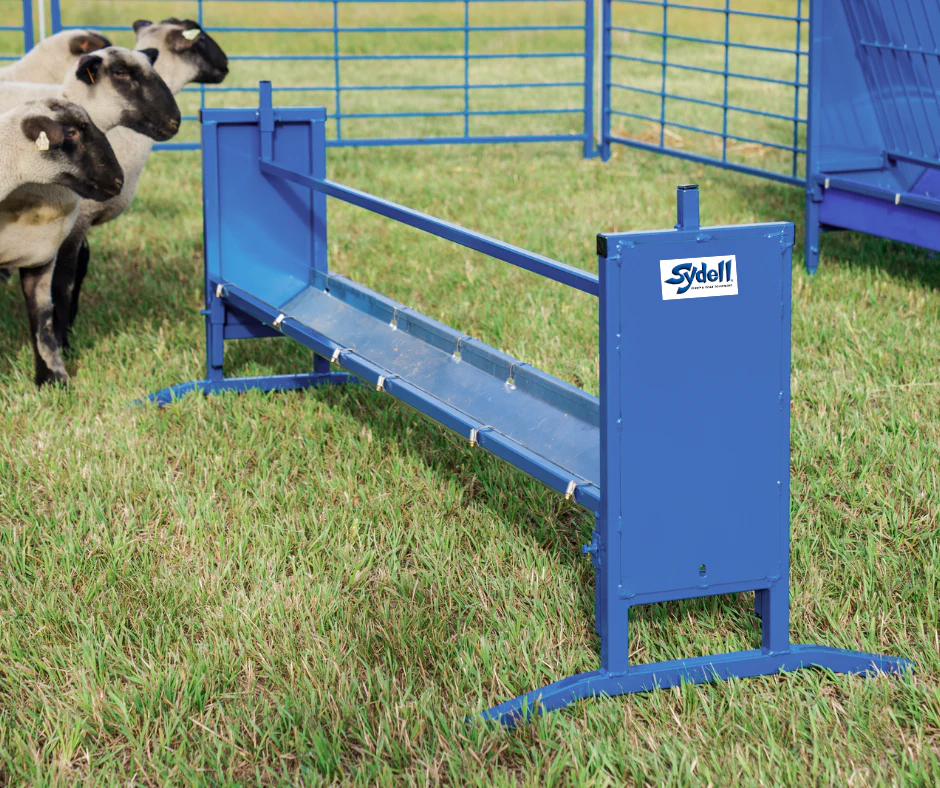
Sheep feeding trough layout matters because feed access, crowd control, and position all affect how efficiently animals eat. If the trough is placed badly, stronger sheep may dominate the best spots while smaller or weaker animals get less feed. If the trough is too low, too high, or in a poor traffic area, waste rises and feeding becomes harder.
In practical farm management, feed efficiency is not only about ration quality. It is also about how much of that feed ends up being consumed cleanly. A well-set trough reduces trampling, helps keep feed cleaner, and shortens the daily feeding routine. For buyers, that means a more valuable product and fewer after-sales complaints.
For background on general animal husbandry and feeding systems, the FAO manual for primary animal health care workers is a useful reference. It supports the basic idea that feeding systems should be practical, hygienic, and easy to manage.
1. Start with the Right Feeding Zone
The first step is choosing the right feeding zone, because trough placement should match how sheep move, rest, and gather. A feeding trough should not block lanes, force awkward turns, or create dead corners where animals bunch up.
For indoor barns, the best location is usually one where sheep can approach naturally and workers can reach the trough easily. For outdoor use, the area should have stable footing and enough drainage. If the floor becomes muddy or slippery, animals hesitate, the flock piles up, and feed efficiency drops.
Buyers should also think about the work path around the trough. If the operator must squeeze between pens, feed carts, or obstacles, the layout is already losing efficiency. Good layout supports both animal flow and labor flow.
A practical sheep feeding trough layout supports the flock first and the worker second, because both depend on easy access.
2. Match Trough Length to Flock Size
The second tip is to match trough length to flock size, because too little feeding space creates competition and too much wastes area and money. A small farm, breeding unit, and commercial flock all need different feeding capacity.
When the feeding line is too short, dominant sheep may push others away. That creates uneven intake and can lead to weaker animals eating less than intended. When the line is long enough, more sheep can feed at the same time, which improves flow and lowers stress.
For B2B buyers, this point matters because customers buy by flock scale. Distributors should ask suppliers whether several size options are available and whether mixed orders can be supported. That makes the trough easier to position in a catalog or product line.
The best trough length is the one that balances access, stocking density, and space use.
3. Set the Right Height
The third tip is to set the right height, because sheep should be able to eat naturally without stretching too much or lowering their heads too deeply. Height affects comfort, feed pickup, and how much feed falls outside the trough.
If the trough is too high, smaller sheep may struggle to reach it. If it is too low, feed can spill more easily and get dirty faster. The right height depends on the animal group, trough structure, and where the equipment will be installed.
Suppliers should provide clear installation guidance or at least a recommended usage scenario. Buyers appreciate that because it helps them explain the product to their own customers. A simple product with practical setup notes is much easier to sell than one with vague dimensions only.
If the height does not fit the flock, even a well-made sheep feeding trough will underperform in real use.
4. Keep Feed Access Open and Even
Feed access should be open and even, because sheep eat better when they do not have to push, twist, or fight for position. A good layout reduces bottlenecks and allows the flock to feed in a natural pattern.
Uneven access can create hidden waste. Dominant animals take the best spots while weaker animals wait or eat less. In a commercial setting, that can lead to customer concern even if the trough itself looks fine. The layout must therefore support fair access, not just physical containment.
Easy access also helps cleaning. If workers cannot reach the edges of the trough or inspect the inside quickly, maintenance gets delayed. Simple access is usually the better choice because it supports both hygiene and labor efficiency.
A good sheep feeding trough should make the feed line visible, reachable, and easy to manage.
5. Reduce Feed Waste with a Smart Trough Shape
The fifth tip is to choose a trough shape that reduces feed waste, because feed on the ground is both lost money and a hygiene issue. Shape matters because it controls how feed is pulled out, how easily it spills, and whether animals can eat comfortably.
A suitable trough should hold feed securely while still allowing natural access. If the shape is too open, feed scatters. If it is too deep or awkward, sheep may not eat efficiently. Buyers should ask for exact dimensions, product photos, and use notes before placing a bulk order.
Lower waste means better feed efficiency and less cleanup. That makes the product easier to position for buyers who care about value, not just unit price. For suppliers, a waste-reducing design is also easier to promote in sales materials.
When the trough is designed well, more feed stays in the system and less ends up under the animals’ feet.
6. Plan Easy Cleaning and Refill Paths
The sixth tip is to plan easy cleaning and refill paths, because the best trough is one workers can service quickly every day. Labor time matters as much as feed use in any livestock operation.
If a trough is placed in a hard-to-reach location, staff spend longer refilling it and may skip cleaning. That leads to dirt buildup, lower hygiene, and slower routines. A good layout gives workers enough space to approach, inspect, and clean without moving too many obstacles.
Buyers should also think about surrounding tools and equipment. If the trough is part of a larger feeding system, the area should still allow feed carts, buckets, or bale handling tools to move easily. Small access improvements can save a lot of time over the life of the product.
A sheep feeding trough that is easy to clean is usually easier to sell, easier to maintain, and easier to reorder.
7. Choose Materials That Fit Real Farm Conditions
Material choice matters because troughs must handle moisture, feed contact, repeated impact, and daily wear. Buyers should ask what the product is made of and whether it suits indoor or outdoor use.
Durability, resistance to corrosion, cleaning convenience, and product weight all matter. A lighter product may be easier to move, while a heavier product may feel more stable in use. The right choice depends on farm conditions and the target price level.
For B2B buyers, material details also affect product positioning. Retailers, wholesalers, and private-label sellers all need clear product facts they can use in catalogs and sales conversations. If the supplier can explain the product structure clearly, that is a good sign.
Material is not just a technical feature; it is part of the product story buyers will repeat to customers.
8. Check Packaging and Export Readiness
Packaging matters because a sheep feeding trough must arrive in usable condition and be easy to store, ship, and resell. Even a strong trough becomes a poor purchase if the packaging is weak or the cartons are poorly planned.
Buyers should ask for carton size, packing quantity, protective materials, and whether branding can be customized. If the trough has accessories, those should be packed clearly and listed accurately. Export buyers should also ask whether mixed orders can be combined with other livestock supply products.
Good packaging reduces damage, improves warehouse handling, and makes the product look more reliable to end customers. That is especially important for overseas buyers who reorder based on photos and shipment experience.
A strong product with weak packaging still creates avoidable risk.
Buyer Checklist Before Ordering Sheep Feeding Troughs
Before placing an order, buyers should confirm size, height guidance, material, installation needs, cleaning method, packaging, and MOQ. This avoids misunderstandings and protects both the buyer and the supplier.
- Confirm flock size and feeding group.
- Ask for trough dimensions and installation guidance.
- Check material type and surface finish.
- Request carton size, packing quantity, and sample photos.
- Ask whether the design suits indoor or outdoor use.
- Confirm whether accessories or brackets are included.
- Check whether the supplier supports mixed livestock orders.
- Plan reorders based on sales volume and customer demand.
Common Layout Mistakes to Avoid
The most common sheep feeding trough mistakes are placing the trough in a crowded corner, ignoring cleaning access, and choosing a size based only on price. These mistakes reduce feed efficiency even when the product itself is acceptable.
Buyers should avoid layouts where animals can enter from only one narrow direction, because that encourages pushing and blocks weaker sheep. They should also avoid placing troughs directly in muddy or wet areas, where dropped feed becomes dirty quickly. Another mistake is choosing a trough that looks compact but does not provide enough feeding line for the flock.
For distributors, these layout points are useful sales education. When customers understand how to position the trough correctly, they are more likely to be satisfied after installation. That turns a simple product into a practical management solution.
Another common mistake is separating product selection from farm layout planning. A buyer may choose a trough because the material and price look acceptable, but if the trough cannot be placed in the right feeding zone, the customer will still experience waste and crowding. Procurement teams should therefore ask end users about barn width, animal group size, floor condition, and refill method before recommending a model.
For wholesale buyers, this also improves customer communication. Instead of selling only by size and price, distributors can provide a short placement guide with each product listing. That makes the sheep feeding trough easier to understand for farm customers and helps reduce incorrect installation after delivery.
For procurement teams, the safest approach is to connect layout advice with the product quotation. A quotation that only lists price, size, and packing may be enough for a simple purchase, but a short note about feeding space, access direction, and cleaning clearance helps customers use the trough correctly. This is especially valuable for distributors selling to smaller farms that may not have a formal barn design plan.
When buyers can explain why a sheep feeding trough should be placed in a certain way, the product becomes more than hardware. It becomes a practical feeding solution.
Small layout improvements also help farms train new workers faster, because the correct feeding path becomes easier to see and repeat during daily routines.
Simple Specification Table for Procurement Teams
A clear specification table helps procurement teams compare sheep feeding trough suppliers quickly and objectively. It also helps sales teams explain the product after import.
| Item | What to Confirm | Why It Matters |
|---|---|---|
| Length | Total feeding line and available sizes | Matches trough capacity to flock size |
| Height | Recommended animal group and installation position | Improves comfort and reduces spillage |
| Material | Metal, plastic, coating, or other structure | Affects durability, cleaning, and price level |
| Packaging | Carton size, quantity, protection, and labels | Supports export handling and resale |
| Supply Support | MOQ, lead time, mixed order options | Improves purchasing efficiency for distributors |
Why Source Feeding Products from SOUNDAI?
SOUNDAI is a useful sourcing partner for sheep feeding trough buyers because it supplies feeding-related livestock products within a broader farm equipment range. That makes it easier for importers and distributors to bundle categories together and keep supply planning simple.
The company’s product ecosystem includes Feeding, Cattle Drinking Trough, Drinking Bowl, Automatic Water Bowl, Animal Syringe, and AI Gun. For buyers who want one supplier for multiple livestock categories, that range is practical.
For the target keyword sheep feeding trough, the optimized internal destination should be SOUNDAI’s feeding page: https://www.sound-ai.com/feeding/.
Conclusion
The best sheep feeding trough setup is simple, efficient, and built around the real movement of the flock. Buyers should focus on layout first, then check length, height, access, shape, cleaning, material, and packaging before ordering in bulk.
For farms, good layout improves feed efficiency and lowers waste. For distributors, it creates a product that is easier to explain, easier to ship, and easier to resell. That is why trough design and trough positioning should always be considered together.
Buyers looking for sheep feeding trough products and broader livestock feeding equipment can start here: SOUNDAI Feeding.
FAQ
What is the best layout for a sheep feeding trough?
The best layout gives sheep easy access, prevents crowding, supports cleaning, and fits the real feeding pattern of the flock.
How do I reduce feed waste in a sheep feeding trough?
Choose the right trough shape, set the correct height, avoid crowded placement, and make sure the feed line is easy for sheep to reach without pushing.
Why is trough height important?
Height affects how comfortably sheep eat and how much feed spills out. If the trough is too high or too low, efficiency drops.
Can I source sheep feeding troughs with other livestock products?
Yes. Many buyers source feeding products together with drinking bowls, automatic water bowls, animal syringes, and other livestock farm supplies.
Request Feeding Product Information
Need a sheep feeding trough, livestock feeding equipment, or mixed farm supply orders? Visit the SOUNDAI Feeding page or use the website contact page to request pricing, size options, and packaging details.
Suggested inquiry details: quantity, destination country, material preference, indoor or outdoor use, packaging requirement, and whether you want to combine feeding products with other livestock supplies.
Post time: May-09-2026