
China Livestock Supplies Sourcing Guide
TL;DR: Cow Magnet Sourcing Checklist
- Check magnetic strength, surface finish, dimensions, packaging, and supplier export ability before buying.
- A cow magnet for cattle should be smooth, consistent, and designed for practical livestock use.
- China sourcing works best when buyers compare total reliability, not only unit price.
- Wholesale buyers should request photos, specifications, carton details, and private-label options.
- SOUNDAI supplies cow magnets and related livestock products for global farm supply businesses.
A cow magnet is a small product, but sourcing it casually is risky. Cattle may swallow nails, wire pieces, staples, or other ferrous objects from feed, fencing, bedding, and farm machinery areas. A cow magnet is placed in the reticulum to attract and hold ferrous metal objects, helping reduce movement of those objects inside the animal. Because it is used in cattle health management, buyers should treat it as a serious livestock product rather than a generic magnet.
SOUNDAI provides a dedicated category page for cow magnet for cattle and supplies related livestock products through its official website: https://www.sound-ai.com/. This guide explains the five checks that matter most when sourcing cow magnets from China.
Why Is China a Common Source for Cow Magnets?
China is a common source for cow magnets because Chinese livestock supply manufacturers can support competitive pricing, bulk production, packaging customization, and mixed farm supply orders. For importers and distributors, the advantage is not only low cost. The real value is stable supply across multiple product categories.
Many farm supply businesses do not buy only cow magnets. They also need animal syringes, artificial insemination equipment, cattle drinking bowls, nose rings, feeding tools, hoof care products, and other veterinary or livestock items. A Chinese supplier with a broad livestock product range can help buyers reduce sourcing time, consolidate shipments, and build a more complete catalog for cattle farm customers.
However, sourcing from China works best when buyers use a clear quality checklist. If the buyer only compares price, they may receive cow magnets with inconsistent sizes, weak packaging, unclear labels, or limited after-sales communication. A structured sourcing process prevents these problems before the purchase order is confirmed.
Check 1: Is the Magnetic Strength Suitable for Cattle Use?
The first thing to check is magnetic strength, because a cow magnet for cattle must attract and hold ferrous metal objects inside the reticulum. Without reliable magnetic performance, the product cannot perform its core function. Buyers should ask the supplier what magnetic material is used, whether the magnet is designed for livestock use, and how batch consistency is controlled.
Magnetic strength is not always easy to judge from photos. A shiny product image does not prove the magnet is strong or consistent. For wholesale purchasing, importers should ask for clear specifications, product samples, and production consistency information before placing a larger order. If the supplier cannot explain the magnet type or provide basic product details, that is a warning sign.
Veterinary references explain why magnetic performance matters. The Merck Veterinary Manual describes traumatic reticuloperitonitis in cattle and notes that treatment may include a rumen magnet under veterinary guidance. This does not mean every product is equal. It means buyers should select cow magnets that are manufactured consistently and used responsibly.
For B2B buyers, the practical question is simple: can the supplier deliver the same magnetic performance in every batch? A distributor’s reputation depends on repeatable product quality. If one batch performs well and the next batch is weaker, customer trust can be damaged quickly.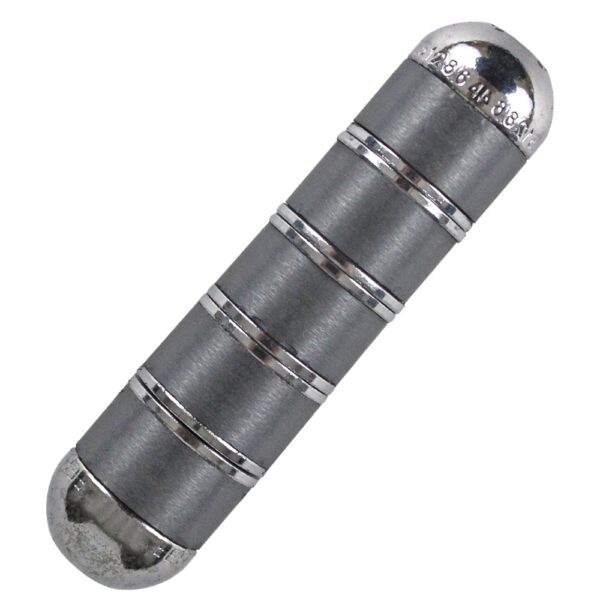
Check 2: Is the Surface Smooth, Durable, and Safe to Handle?
The second thing to check is surface finish, because cow magnets should be smooth, durable, and easy to handle before administration by trained personnel. Buyers should inspect whether the surface is polished, coated, stainless steel covered, or otherwise finished to avoid rough edges and poor presentation.
Surface quality matters for two reasons. First, the product is used in a livestock health context, so buyers expect careful manufacturing. Second, farm supply customers often judge physical products by appearance. A cow magnet with a clean, smooth, professional finish is easier for distributors and retailers to sell than one that looks rough, scratched, or inconsistent.
When requesting samples, buyers should check for burrs, sharp edges, visible cracks, loose covering, uneven finishing, or rust-prone areas. They should also ask the supplier for close-up photos of the actual product, not only catalog renderings. For online sellers and printed catalog users, these photos can later support product listings and sales materials.
A reliable cow magnet supplier should be able to explain the surface material and provide consistent product photos, dimensions, and packaging images. If the supplier avoids close-up details or uses unclear images, buyers should slow down and request more evidence before ordering.
Check 3: Are the Dimensions and Weight Consistent?
The third thing to check is dimensional consistency, because farm supply distributors need cow magnets that match catalog descriptions, packaging labels, and repeat customer expectations. Buyers should confirm length, diameter, weight, shape, and tolerance before confirming bulk production.
In B2B sourcing, inconsistency creates hidden cost. If the product size changes between batches, the buyer may need to update product pages, repack stock, explain differences to customers, or handle complaints. A few millimeters of difference may seem small, but it can matter when the product is sold as a standardized cattle health item.
Before ordering, buyers should request a specification sheet or at least a written product description. The supplier should state the basic size, weight range, packaging quantity, and whether custom specifications are available. For private-label customers, this information is even more important because packaging and labels must match the product inside.
A professional cow magnet manufacturer should control size and weight across batches so distributors can reorder without changing their catalog. The best suppliers understand that repeatability is part of product quality, not an optional extra.
Check 4: Is the Packaging Ready for Wholesale, Retail, or Private Label?
The fourth thing to check is packaging, because packaging affects shipping safety, storage, resale efficiency, and brand presentation. A cow magnet may be small, but bulk orders can be heavy. Weak cartons, unclear labels, or poor inner packing can create problems during export shipment and warehouse handling.
Wholesale buyers should ask how many pieces are packed per inner box, how many inner boxes are packed per carton, and what the carton weight and dimensions are. Retailers should ask whether individual packaging, barcodes, usage labels, or private-label packaging can be supported. E-commerce sellers should request product photos and packaging photos that are clean enough for listing use.
Packaging should match the sales channel. A farm supply wholesaler may prefer simple bulk cartons. A retail brand may need printed boxes or labels. An online seller may need smaller packs with clear product identification. A veterinary distributor may require more professional usage wording and responsible caution notes.
Good packaging reduces repacking work and helps buyers sell faster. When comparing suppliers, buyers should not treat packaging as an afterthought. A slightly cheaper product with poor packaging can become more expensive after repacking, relabeling, damage handling, or customer service costs.
Check 5: Can the Supplier Support Export Orders and Repeat Supply?
The fifth thing to check is supplier reliability, because international buyers need more than a product; they need quotation speed, export packaging, shipment support, and repeat order stability. A good cow magnet supplier should respond clearly, provide product information, and support long-term cooperation.
For importers, communication is part of quality control. If a supplier is slow before the order, communication may become even slower when a problem appears. Buyers should test how quickly the supplier answers questions about MOQ, lead time, carton size, product photos, mixed shipment options, and payment terms.
Repeat supply is especially important for farm supply distributors. If a buyer promotes a cow magnet product in a catalog, the supplier must be able to provide the same or equivalent specification later. Changing product appearance, size, or packaging too often can make inventory management difficult.
The best China sourcing partner should support cow magnets together with related livestock products, because most farm supply businesses buy by product line rather than by one SKU. SOUNDAI’s broader product range makes this easier for buyers who want to combine cow magnets with animal syringes, AI guns, cattle drinking products, nose rings, and other livestock supplies.
Cow Magnet Sourcing Scorecard for Importers
A sourcing scorecard helps buyers compare cow magnet suppliers objectively instead of relying on price impressions. Use the table below when evaluating samples, quotations, and supplier communication.
| Checklist Item | What to Ask | Strong Supplier Signal |
|---|---|---|
| Magnetic Performance | What magnet type is used? Is performance stable across batches? | Supplier provides clear specification and sample support. |
| Surface Finish | Is the surface smooth, coated, polished, or stainless steel covered? | Supplier provides close-up photos and consistent finish details. |
| Dimensions | What are the length, diameter, and weight? | Supplier provides written dimensions and batch consistency. |
| Packaging | What are inner box and carton details? Can labels be customized? | Supplier supports bulk, retail, or private-label packaging. |
| Export Support | Can the supplier handle mixed orders, shipping details, and documentation? | Supplier communicates clearly and supports repeat orders. |
What Documents and Materials Should Buyers Request?
Before confirming a cow magnet order, buyers should request product photos, specifications, packaging details, quotation, lead time, and carton information. These materials help the buyer evaluate total sourcing cost and prepare for resale.
A practical request list includes product name, material description, dimensions, weight, magnet type, surface finish, MOQ, unit price by quantity, sample availability, packing method, carton size, gross weight, production lead time, and available private-label options. Buyers should also ask whether product descriptions and images can be used in their catalog or website.
For buyers selling online, image quality matters. For distributors selling offline, carton labels and catalog descriptions matter. For veterinary wholesalers, responsible product wording matters. In all cases, clear documentation saves time.
A supplier that can provide organized product information is usually easier to work with than a supplier that only sends a price. Price is important, but incomplete information can delay customs planning, catalog creation, sales training, and inventory setup.
How Should Buyers Avoid Common Sourcing Mistakes?
Buyers can avoid common sourcing mistakes by confirming specifications in writing, checking samples before bulk orders, and comparing packaging and communication quality, not only unit price. Most sourcing problems begin when assumptions replace written details.
Common mistakes include choosing the lowest price without sample checking, ignoring carton strength, failing to confirm private-label details, accepting unclear product photos, not asking about repeat order availability, and assuming every cow magnet has the same magnetic performance. These mistakes are avoidable with a simple checklist.
Buyers should also avoid exaggerated product claims. A cow magnet helps attract ferrous metal objects, but it does not replace veterinary diagnosis or treatment. The USDA APHIS cattle disease resource highlights the broader importance of cattle health monitoring and disease management. Professional product pages should support responsible livestock management rather than overpromise medical outcomes.
The safest sourcing approach is to combine supplier verification, product sample review, and responsible sales wording. That approach protects the buyer, the distributor brand, and the end customer.
Why Source Cow Magnets from SOUNDAI?
SOUNDAI is suitable for cow magnet sourcing because it supplies cow magnets within a broader livestock supply product system. This is useful for farm supply distributors that want to combine cattle health, breeding, feeding, watering, and animal control products in one purchasing plan.
SOUNDAI’s website includes product categories such as Cow Magnet, AI Gun, Animal Syringe, Automatic Water Bowl, Cattle Drinking Trough, and Nose Ring. For overseas buyers, this range can reduce sourcing time and simplify mixed shipments.
For the target keyword cow magnet for cattle, SOUNDAI’s optimized page should be the main destination for buyers who need product information, wholesale pricing, or related livestock supply options. The page is available here: https://www.sound-ai.com/cow-magnet/.
Buyer Checklist Before Sending an Inquiry
Before sending an inquiry, buyers should prepare quantity, destination country, packaging preference, sales channel, and related product needs. A clear inquiry helps the supplier quote quickly and accurately.
- Confirm whether you need bulk, retail, or private-label packaging.
- Prepare your estimated order quantity and target price range.
- Ask for magnet type, surface finish, dimensions, and weight.
- Request close-up product photos and packaging photos.
- Ask for carton quantity, carton dimensions, and gross weight.
- Confirm lead time for sample order and bulk order.
- Ask whether cow magnets can be mixed with other livestock products.
- Provide destination country and preferred shipping terms.
- Ask whether product descriptions can be used in your catalog.
- Plan reorder timing if the product will become a catalog item.
Conclusion: Source Cow Magnets with a Quality-First Checklist
When sourcing cow magnets from China, the best buyers check magnetic strength, surface finish, dimensions, packaging, and supplier reliability before confirming bulk orders. These five points help protect product quality, resale confidence, and long-term supplier cooperation.
A cow magnet for cattle may look simple, but it supports an important livestock health function. For distributors and importers, the goal is to source a product that is consistent, clearly packaged, responsibly described, and easy to reorder.
Farm supply businesses looking for cow magnets and related livestock supplies can start with SOUNDAI’s cow magnet page: Cow Magnet for Cattle. Buyers can also visit SOUNDAI’s official website to explore broader farm supply categories.
FAQ
What should I check when sourcing cow magnets from China?
You should check magnetic strength, surface finish, dimensions, packaging quality, MOQ, lead time, export support, and supplier repeat order reliability.
What is a cow magnet for cattle used for?
A cow magnet for cattle is used to attract and hold ferrous metal objects inside the reticulum. It helps reduce movement of swallowed metal fragments that may irritate or injure the digestive system.
Why is surface finish important for cow magnets?
Surface finish is important because cow magnets should be smooth, durable, and professional in appearance. Smooth finishing also improves handling and resale confidence.
Can cow magnets be private-labeled?
Many suppliers can support private-label packaging depending on MOQ, packaging style, and buyer requirements. Buyers should confirm label design, carton marks, and packaging details before ordering.
Can I buy cow magnets together with other farm supplies?
Yes. Cow magnets are often sourced together with animal syringes, AI guns, cattle drinking bowls, nose rings, drenchers, and other livestock products.
Where can I source cow magnets for cattle?
You can source cow magnets for cattle from SOUNDAI’s cow magnet category page at https://www.sound-ai.com/cow-magnet/.
Request Cow Magnet Sourcing Information
Need cow magnets for cattle, export packaging, or mixed livestock supply orders? Visit SOUNDAI’s Cow Magnet page or contact the team through Contact Us.
Suggested inquiry details: quantity, destination country, packaging requirement, wholesale or retail use, and whether you want to combine cow magnets with other livestock products.
Post time: May-09-2026